
Color runs and color walks have become one of the most popular ways to bring people together for a fun, active event. Whether it’s for a school, community group, summer camp, church youth group or neighborhood gathering, the concept is simple: participants walk or run along a course while volunteers toss bright color powder along the way.
The good news is that you don’t need complicated equipment or a huge budget to host a successful event. With a little planning and a few key pieces in place, setting up a color run or color walk can be surprisingly easy.
The first step is deciding where your color run or color walk will take place. Most events use a simple loop or out-and-back route that’s between one and three miles long, but shorter routes work perfectly well too, especially for family-friendly events.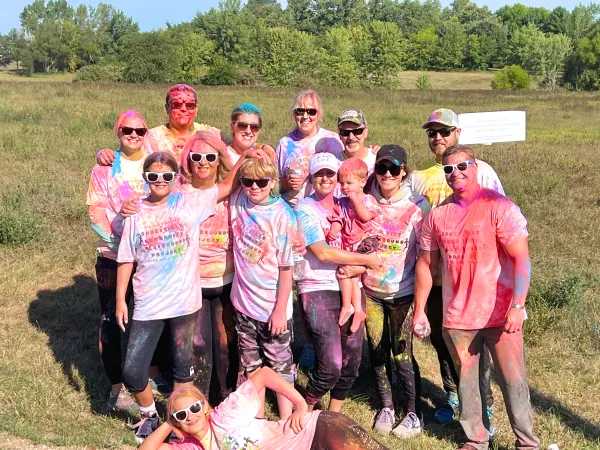
Popular locations include:
School campuses
Parks or walking trails
Campgrounds
Fairgrounds or open fields
The route doesn’t need to be complicated. In fact, the simpler the course, the easier it is for participants and volunteers to navigate. Make sure there’s enough space for people to move comfortably and try to avoid narrow pathways where groups could bunch up.
Color stations are the heart of any color run or color walk. These are the spots along the course where volunteers toss color powder as participants pass through.
A typical setup includes three to five color stations, depending on the length of your route.
For example:
Station 1: Yellow
Station 2: Blue
Station 3: Pink
Station 4: Green
Station 5: Purple
Spacing the stations evenly throughout the course keeps the event exciting and ensures participants collect multiple layers of color by the time they reach the finish line.
Each station should have a small team of volunteers and a table or bin to hold the powder. Volunteers can toss handfuls of powder into the air or gently aim it toward runners and walkers as they pass by.
Color powder is usually made from cornstarch and food-grade dyes, making it lightweight, easy to throw, and simple to clean up afterward.
For most events, plan on about 1/4 to 1/2 pound of color powder per participant, depending on how colorful you want the experience to be and how many color stations you plan to have.
To make planning easier, many organizers use a color powder calculator to estimate how much powder they’ll need based on the number of participants and stations. You can use our calculator to quickly determine the right amount for your event.
Before the event, divide the powder so each color station has its own supply. Many organizers place powder in bowls, buckets, or squeeze bottles so volunteers can quickly grab and toss it.
A helpful tip is to remind volunteers to throw the powder upward into the air rather than directly at someone’s face. This creates the colorful cloud effect people love while keeping the experience comfortable for participants.
Most people attending a color run or color walk already expect to get messy, but it still helps to share a few quick tips before the event begins.
Participants are usually encouraged to:
Wear white shirts so the colors show up clearly
Bring sunglasses or protective eyewear
Wear comfortable running or walking shoes
Avoid bringing items they don’t want covered in color
Some events also start with a color toss countdown at the starting line where everyone throws powder into the air together. It’s a great way to kick off the event and create an instant burst of excitement.
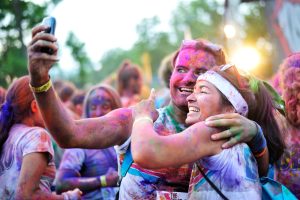
One of the best parts of a color run is seeing everyone cross the finish line completely covered in bright powder.
A simple finish area can include:
Music or a small speaker system
A final color throw
Photos with friends and family
Water and snacks
Some organizers do a group color toss every few minutes where participants gather and throw powder into the air together. These moments often create the most memorable photos from the event.
Color runs and color walks are generally very safe and easy to manage, but a few small precautions can make the event run even smoother.
A few helpful guidelines include:
Place volunteers at each color station to keep things organized
Provide water for participants if the route is longer
Keep powder away from eyes and mouths
Use open areas where color clouds can disperse easily
If children are participating, remind volunteers to toss powder gently so the experience stays fun for everyone.
One of the biggest concerns people have when planning a color run or color walk is the cleanup, but it’s usually much easier than expected.
Because most color powder is made from cornstarch, it naturally breaks down and washes away with water.
For outdoor events:
Grass and fields usually return to normal after rain or mowing
Sidewalks and pavement can be rinsed with a hose
Loose powder can be swept or blown away
Many organizers are surprised at how quickly the area returns to normal once the event is finished.
At its core, a color run or color walk is meant to be a relaxed and joyful event. You don’t need elaborate equipment or complicated logistics to make it successful.
A clear route, a few well-placed color stations, and plenty of bright powder are really all it takes to create an unforgettable experience.
If you’re looking for a deeper breakdown of planning timelines, volunteer organization, and event tips, you can also check out our complete color run guide, which walks through the process in more detail and helps organizers plan a smooth and successful event.